
One October morning, you head downstairs and notice a damp, musty smell in the basement. Everything was fine in the summer, so what happened?
If your basement smells musty in the fall, moisture may be building up in places you can’t see. Over time, this condensation can cause odors and damage nearby wood or other materials.
In many Madison-area homes, the problem starts where the basement meets the first floor. Warm, humid indoor air can reach the cold rim joist and form condensation. When the heating season starts, air moving through gaps in the area can make the problem more noticeable.
So, why does my basement smell in October? Often, the seasonal odor comes from condensation around a cold, leaky rim joist rather than a mysterious basement problem. Learning how basement box sill insulation works can help you know what to check first.
Here’s how to spot the signs and decide if you need a professional evaluation.
Why Basements Smell Different When Fall Humidity Hits
The Rim Joist Is a Known Weak Point
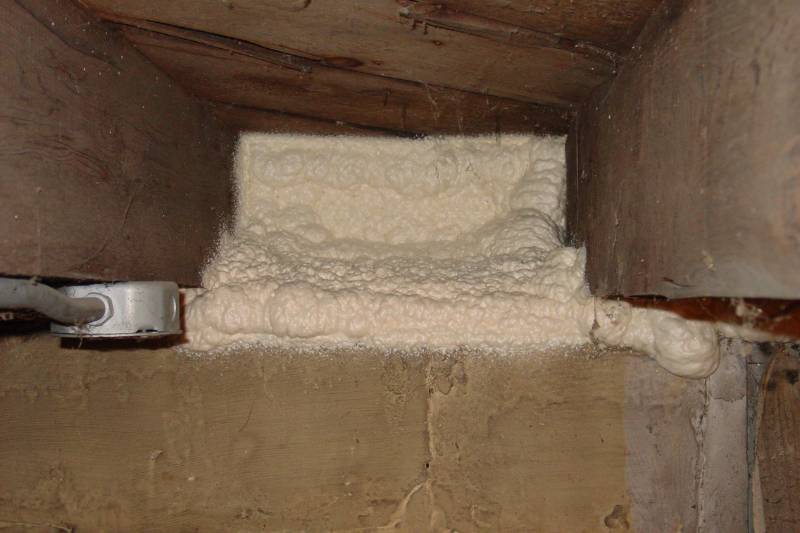
The rim joist runs around the perimeter of the house where the floor framing meets the top of the foundation wall. That connection includes several pieces of framing, making it a common place for air to leak.
Connection points between parts of a home can contribute more to air leakage than open wall cavities. The rim or band joist is one of those troublesome areas, particularly where the foundation, sill plate, rim joist, and subfloor come together.
This matters for more than comfort. The interior face of the rim joist becomes cold during winter, creating a surface where warmer indoor air can condense. Conventional fiberglass batts don’t stop interior air from passing through, so warm air can still reach the cold wood.
This combination of rim joist air leakage and a cold surface can explain why condensation rim joist problems show up as the weather gets cooler.
Fall Is a Transition Season for Air Leakage
By October, late summer humidity can still linger as homeowners start closing windows and turning on the heat. As indoor and outdoor conditions shift, air begins moving differently through gaps and openings.
This makes basement humidity issues in fall more noticeable right when the heating season starts.
Air doesn’t just stop at the basement ceiling. As warm air rises through your house, it can pull air in through lower openings. This whole-house airflow is one reason attics & air sealing matters when fixing air leaks.
If you see condensation along with the smell, don’t ignore it. Dry any wet surfaces and try to reduce the moisture source when you notice condensation on windows, walls, or pipes, since this can mean indoor humidity is high.
Signs the Odor Is Coming From Your Rim Joist, Not Just “General Basement Smell”
Where to Look First
When you’re trying to sort through possible musty basement smell causes, a few signs can point to the rim joist.
Check the area along the top of the basement foundation wall. You may notice:
- A musty odor that becomes stronger near the ceiling or top of the wall rather than near the basement floor
- Dark staining, discoloration, or visible growth on the rim joist or the ends of nearby floor joists
- A noticeably cold band of wood running along the top of the foundation during cooler weather
- Dampness or frost on the rim joist on a cold morning, which can point to condensation
These clues won’t tell you exactly what needs fixing, but can help you find where moisture is building up.
Why It Matters
Even a mild musty smell is worth checking out. Managing moisture is the key to managing mold, so wiping down the surface won’t solve the problem if dampness keeps coming back.
Condensation around the rim joist is another clue. In cold climate basement moisture control, this happens when warmer indoor air reaches a colder surface.
To learn more about how insulation in different parts of the house works together, this guide can help: Attics and Basements – Where to Insulate and Why.
What Madison-Area Homeowners Can Do About It
Start With Measurement
Before you worry about a major moisture problem, check your basement’s humidity level.
A basic hygrometer can measure humidity. The EPA recommends keeping it below 60%, with 30% to 50% being ideal. If your humidity stays high or you keep seeing condensation, you’ll have useful information to share with a professional.
Why Air Sealing and Insulation Together Matter
Insulation helps slow heat loss. Air sealing tackles the leaks that let air move through cracks and gaps.
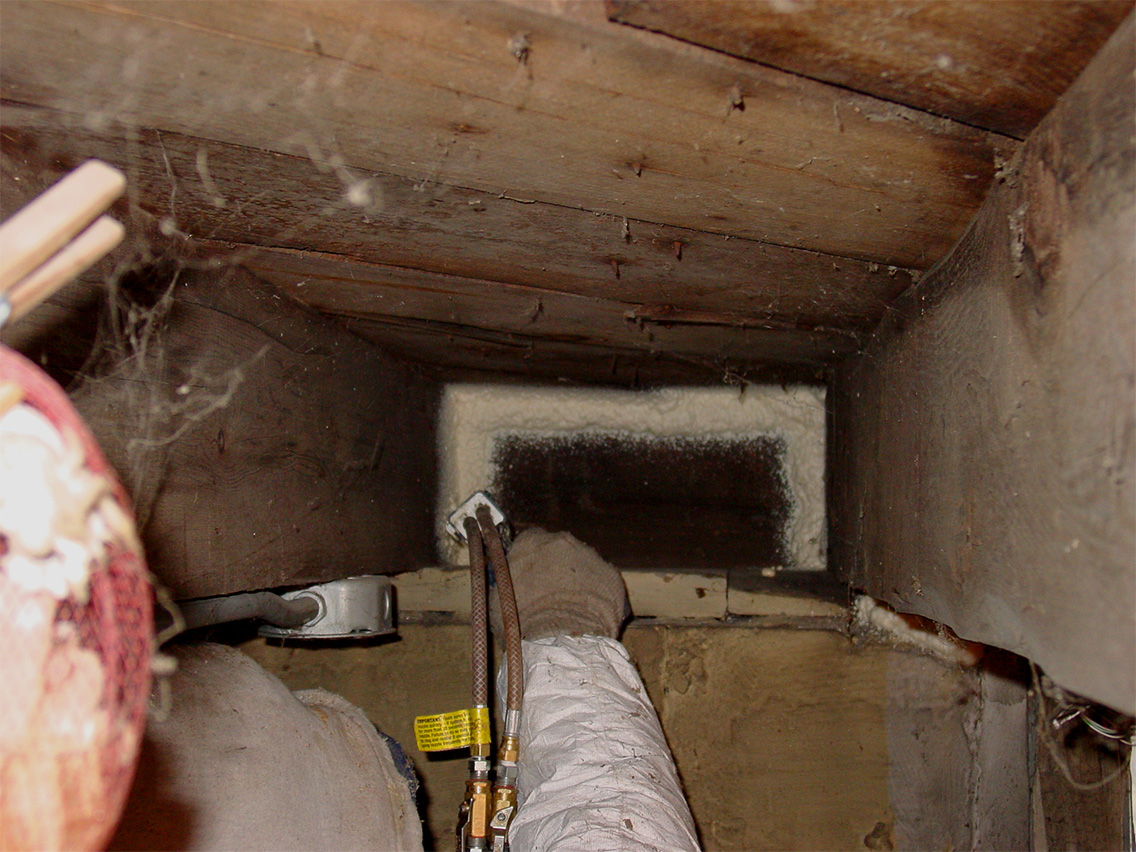
This is important because insulation alone may not stop warm indoor air from reaching a cold rim joist through leaks. For homeowners dealing with air sealing basement in Wisconsin issues, both air movement and surface temperature need to be considered.
Sealing air leaks and adding insulation can improve comfort and help with humidity. ENERGY STAR estimates that homeowners can save about 15% on heating and cooling costs when they make these improvements in places like attics, floors over crawl spaces, and basements.
The bigger takeaway is that managing air movement and temperature can reduce the conditions that lead to condensation.
When to Call a Pro
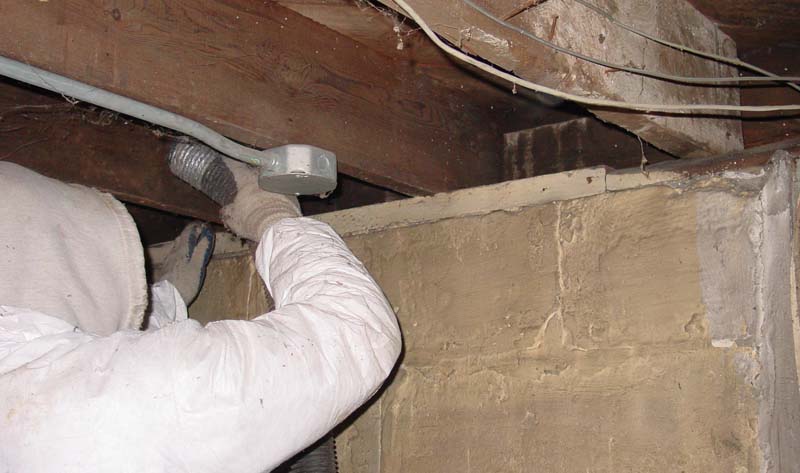
You can sometimes caulk small, obvious gaps, but sealing the rim joist involves several connections that form part of the home’s air barrier.
A professional can check the rim joist or box sill area, look for signs of moisture, and recommend an approach based on your home’s construction. That can be particularly helpful when deciding how to address basement box sill insulation in Madison, WI homes.titLearn more about Basement Box Sill Insulation or read What to Expect When Rockweiler Insulation Insulates Your Basement Box Sills before scheduling an evaluation.
Frequently Asked Questions
A musty smell can indicate excess moisture or mold growth. Mold can cause allergic reactions in sensitive people and irritate the eyes, skin, nose, throat, and lungs. Managing the moisture source is the key step in controlling mold.
Lingering humidity combined with cooler temperatures can create condensation when warm indoor air reaches a cold rim joist. At the same time, the start of the heating season changes airflow through leaks around the basement and other parts of the home.
Rim joist and box sill generally refer to the same area where the floor framing meets the top of the basement or foundation wall.
You can sometimes caulk small gaps yourself. But sealing the rim joist can be tricky because it involves several connections. If you’re not sure where the moisture is coming from, a professional can take a closer look to pinpoint the source before you start making repairs.
Don’t Ignore That October Basement Smell
A musty basement in October often comes down to moisture around the rim joist. As temperatures drop and the heat comes on, damp indoor air can reach cold, leaky areas and leave condensation behind
The good news is that this is a common problem in cold-climate homes, and it can be diagnosed and managed. Instead of covering up the odor or guessing where it comes from, start by checking humidity and looking at the rim joist area.
If you keep noticing odor, dampness, frost, or staining, Rockweiler Insulation can check the area and help you decide what to do next. Learn more about Basement Box Sill Insulation and schedule an evaluation.
References
Building Science Corporation. “Info-408: Critical Seal (Spray Foam at Rim Joist).” buildingscience.com, 17 Sept. 2009, https://buildingscience.com/documents/information-sheets/critical-seal-spray-foam-at-rim-joist.
ENERGY STAR. “Why Seal and Insulate?” ENERGY STAR, U.S. Environmental Protection Agency, https://www.energystar.gov/saveathome/seal_insulate/why-seal-and-insulate.
United States Environmental Protection Agency. “A Brief Guide to Mold, Moisture and Your Home.” EPA, epa.gov, updated 18 Feb. 2026, https://www.epa.gov/mold/brief-guide-mold-moisture-and-your-home.