




If you’ve scheduled basement box sill insulation, you may be wondering what happens when the crew arrives and how much prep you’ll need.
The work involves insulating and sealing the area where the basement walls meet the floor framing. Depending on the job, the crew may use spray foam or fiberglass batts with air sealing to help reduce drafts and heat loss.
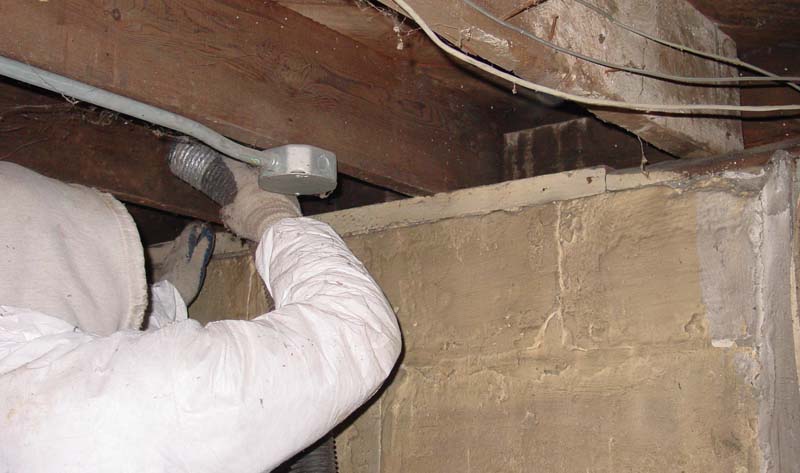
The crew will prepare the area, install the insulation, and clean up afterward. The steps and any precautions you’ll need to take depend on the insulation method being used.
Knowing what to expect on insulation install day can save some last-minute scrambling. This guide walks you through preparing your basement, what happens during the installation, and what to know once the work is finished.
If you’re still planning the project, the basement box sill insulation service page explains the scope of the work and scheduling.
What Box Sills Are and Why This Area Gets Treated
Where the box sill sits
You’ll find the box sill, also called the rim joist, along the top of the basement’s foundation walls. It’s the board above the sill plate, which rests directly on the concrete foundation. The floor joists and band joist sit on the sill plate.
Concrete isn’t perfectly smooth, leaving small gaps where the sill plate rests on the foundation. As warm air rises through the house, it pulls outside air in through these openings. This is called the stack effect, and sealing the sill plate helps close that entry point.
Why Madison-area basements feel it
Dane County is classified as a cold climate, and Wisconsin winters can make those gaps more noticeable. Homeowners looking into rim joist insulation in Madison, WI may already feel drafts near the basement walls. If you have a cold basement in Wisconsin, start by checking for air leaks around the rim joists.
What the work is meant to do

Insulation helps reduce heat loss through the box sill, while air sealing closes gaps that allow outside air to enter.
Air sealing and insulation in accessible basement rim joists, attics, and floors over crawl spaces can save an average of about 15% on heating and cooling costs. Sealing this area also helps manage condensation on cold rim joist surfaces.
The same approach applies elsewhere in the house. Learn more about insulating attics and basements.
How to Prepare Your Basement Before the Crew Arrives
Clear the perimeter
Start by clearing three to four feet around the full perimeter of the basement walls.
The crew needs enough room to move safely and set up a ladder to reach the top of the box sill. Take items off shelves near the perimeter, especially anything fragile or valuable.
This is the biggest part of how to prepare for insulation installation, and doing it in advance saves time when the crew arrives.
Why clearing matters technically
Move any boxes, shelves, or other stored items out of the way so the crew has access to the seam between the foundation and sill plate and the rim joist cavities above it. If needed, they may also have to remove or pull back fiberglass batts already in place. Before they apply the new material, they’ll clear away dust, dirt, and grease so it can adhere properly.
Plan to be out of the house
If your box sills are being insulated with spray foam, everyone needs to leave before application begins. This includes pets. Plan to stay away during the work and for four to six hours afterward. The crew won’t start spraying until the home is empty.
Before you leave, ask the crew leader when you can return. The timing depends on the spray foam product being used.
Quick prep checklist
Before installation day:
- Clear three to four feet around the basement perimeter
- Remove items from upper shelves near the work area
- If spray foam is being used, arrange for pets to be out of the house
- Make sure the basement door and stairs are accessible
- Give the crew leader entry and lock-up instructions
What Happens During and After the Install
Step 1: Removal and clean-out (about an hour)
The first part of the job typically takes about an hour. If existing fiberglass needs to be replaced, the crew removes it from the box sill cavities and disposes of it. They’ll clean the area before applying the new material. Large items like a washer or dryer that can’t easily be moved are covered with visqueen for protection.
Step 2: Application
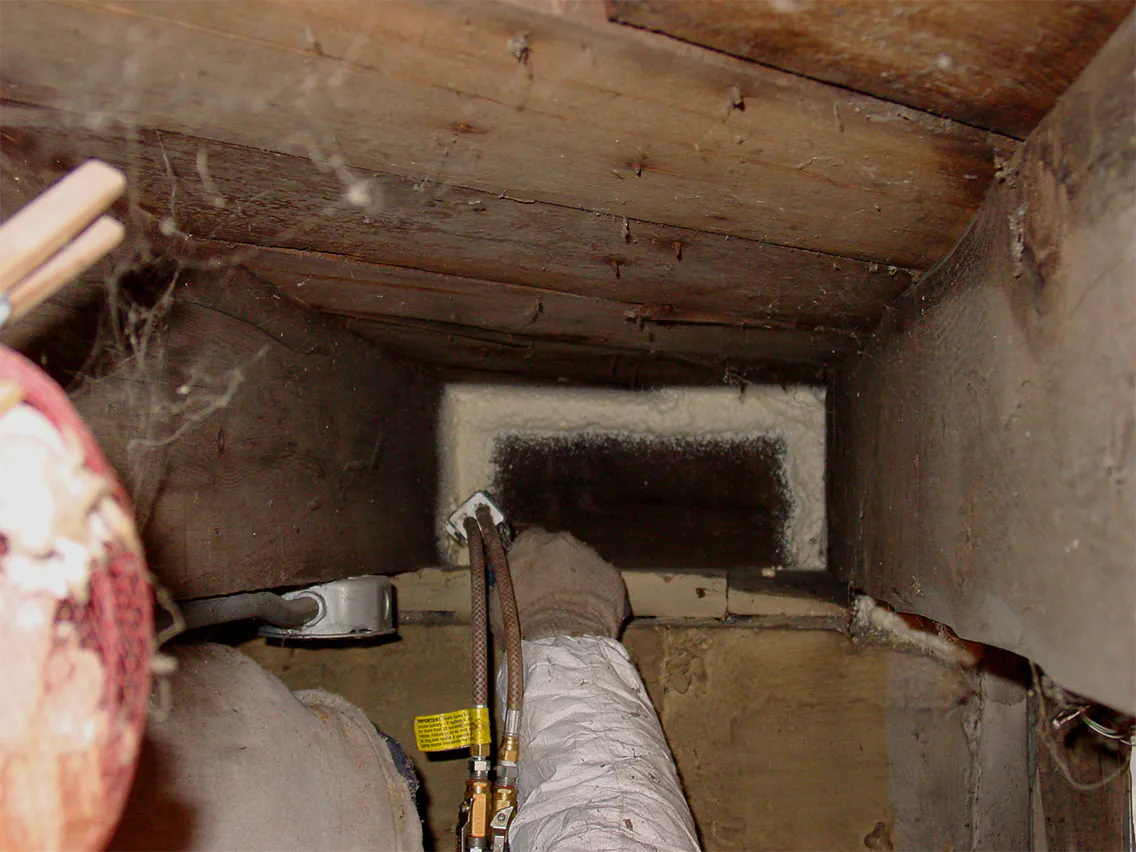
Next comes the basement rim joist air sealing and insulation. Spray foam is the preferred method because it insulates and air seals in one step. If that’s the method being used, the crew applies it directly to the rim joist area. Foam may also be applied along the subfloor, rim joist, and sill plate juncture.
Another option is fiberglass batts combined with air sealing. With either method, gaps and penetrations through the rim joist or sill plate need to be sealed.
For spray foam box sills, the house must remain vacant during application.
Step 3: Curing and ventilation
If your box sills are insulated with spray foam, the material can seem solid very quickly, in just a few seconds or minutes. However, that doesn’t mean it’s fully cured. . Some manufacturers suggest leaving the house empty for 24 hours, but the exact time depends on the product.
For spray foam installations, the crew generally recommends four to six hours of ventilation after the job is finished. Before you leave, check with the crew leader about the product being used and when you can return.
Step 4: Cleanup and lock-up
Once the installation is complete, the crew will clean up any debris and lock up your house as you requested. If you want a courtesy call when the work is done, let the crew leader know at the start of the day.
FAQ
Most residential jobs are completed in a single day. Prep and clean-out typically take about an hour. Application time depends on the length of the basement perimeter and how easy the area is to access.
If your box sills are being insulated with spray foam, yes. People and pets must leave during application and for four to six hours after the work is complete. Confirm your exact re-entry time with the crew leader.
Once the application and curing are complete, spray foam is considered relatively inert. During later renovations, don’t heat, grind, or cut cured foam without taking proper precautions.
Fiberglass batts can insulate the box sill, but they don’t seal air leaks on their own. They need to be paired with air sealing around gaps and openings, including where the sill plate rests on the concrete foundation.
Sealing the rim joist reduces outdoor air and humidity entering through that juncture and can help manage condensation on cold surfaces. Basement odors can come from other moisture conditions. This post on basement smells in October takes a closer look at the issue.
Attic work and air sealing often go hand in hand with box sill work on the same visit. Learn more about attic insulation and air sealing options for the rest of the home.
Before install day, remember three things:
- Clear the basement perimeter.
- If spray foam is being used, arrange for everyone, including pets, to leave the house.
- Expect removal and clean-out first, followed by application and cleanup.
For spray foam installations, the crew leader will confirm when you can return home. For basement box sill insulation in the Madison area, Rockweiler Insulation offers a free estimate to get the process started.
References
“Air Sealing Sill Plates.” Building America Solution Center, Pacific Northwest National Laboratory, basc.pnnl.gov/resource-guides/air-sealing-sill-plates. Accessed 12 Oct. 2026.
Antonopoulos, Chrissi, et al. Guide to Determining Climate Zones by County: Building America and IECC 2021 Updates. PNNL-33270, Pacific Northwest National Laboratory, Sept. 2022, www.pnnl.gov/main/publications/external/technical_reports/PNNL-33270.pdf. Accessed 12 Oct. 2026.
“Methodology for Estimated Energy Savings.” ENERGY STAR, U.S. Environmental Protection Agency, www.energystar.gov/saveathome/seal_insulate/methodology. Accessed 12 Oct. 2026.
“Potential Chemical Exposures From Spray Polyurethane Foam.” U.S. Environmental Protection Agency, 2 Sept. 2020, archive.epa.gov/epa/saferchoice/potential-chemical-exposures-spray-polyurethane-foam.html. Accessed 12 Oct. 2026.