


Most homeowners think about insulation when the first cold snap arrives. But the same barrier that holds heat in during winter also keeps heat out during a Wisconsin summer. A home that is under-insulated or full of air leaks lets outdoor heat pour in, forcing your air conditioner to work overtime.
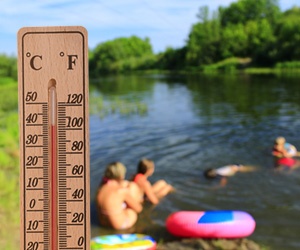
Wisconsin’s climate cuts both ways. Summers regularly bring temperatures in the 80s and 90s along with significant humidity. An undersealed home can lead to uneven room temperatures, rising cooling bills, and indoor moisture that lingers long after the weather outside changes. Those conditions can also contribute to mold growth and indoor comfort problems.
The good news is that the same improvements that make a home more comfortable in winter can also improve summer performance. Insulation slows heat transfer in both directions- in summer, it keeps outdoor heat from entering, easing the load on your air conditioner. For most Wisconsin homes, including those in the Madison and Verona area, which is in IECC Climate Zone 6A, the highest-impact summer upgrades are attic insulation (around R-49), air sealing, and wall insulation. When done together, ENERGY STAR estimates that air sealing plus added insulation saves about 15% on heating and cooling costs.
Why Insulation Matters in Summer, Not Just Winter
Many homeowners assume insulation is only designed to keep warm air inside during winter. In reality, insulation works year-round because it slows heat transfer in both directions.
Heat naturally moves from warmer areas to cooler areas. During summer, outdoor heat flows toward the cooler, air-conditioned interior of your home. Insulation provides resistance to that heat flow, helping lower energy use and improve comfort. The three primary forms of heat transfer are conduction, convection, and radiation:
- Conduction: heat moving through materials
- Convection: heat carried by moving air
- Radiation: heat transferred by electromagnetic waves
Most insulation products work by slowing conductive and convective heat transfer.
Summer is where this often gets overlooked. As outdoor temperatures climb, excess heat builds up in the attic throughout the day. This summer heat gain attic effect can significantly increase indoor temperatures and drive up cooling costs. The same insulation that keeps a home warm in January helps keep it cooler in July.
Where Wisconsin Homes Lose the Most
Attic Insulation and Air Sealing
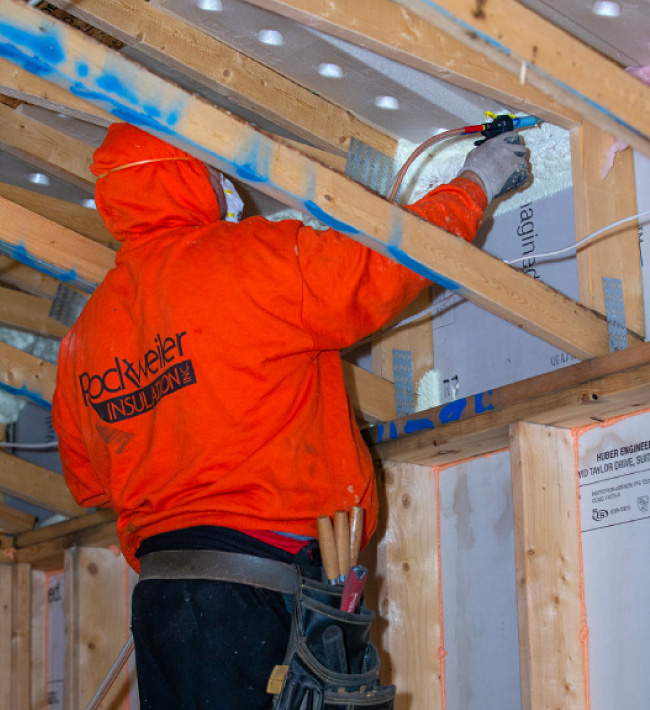
The attic is typically the largest source of unwanted heat gain during summer and heat loss during winter. For many homeowners, upgrading attic insulation in Madison, WI homes begins with evaluating attic depth and air leakage.
The most cost-effective solution is to improve attic insulation and air sealing. Common attic insulation options include blown-in fiberglass insulation and cellulose, both of which can help homeowners achieve the recommended attic R-value Wisconsin homes need. Spray foam is another option that both insulates and air-seals in a single application.
When attic insulation is brought up to R-49 and combined with the effective air sealing Wisconsin homes require, homeowners often notice improved comfort and lower cooling costs.
Wall Insulation

Many older Wisconsin homes, particularly those built before the mid-1950s, contain little or no insulation inside exterior walls. These homes often have rooms that become excessively hot during summer and lose heat quickly during winter.
Adding wall insulation Wisconsin homeowners need can dramatically improve comfort and efficiency. Dense-pack blown-in fiberglass or cellulose can be installed into existing wall cavities with minimal disruption, while fiberglass or mineral wool batts are excellent options for open wall cavities during remodeling projects.
Air Sealing: The Partner to Insulation
Insulation slows heat transfer, but it does not stop air movement on its own. Air sealing is what prevents conditioned indoor air from escaping while stopping hot, humid outdoor air from entering.
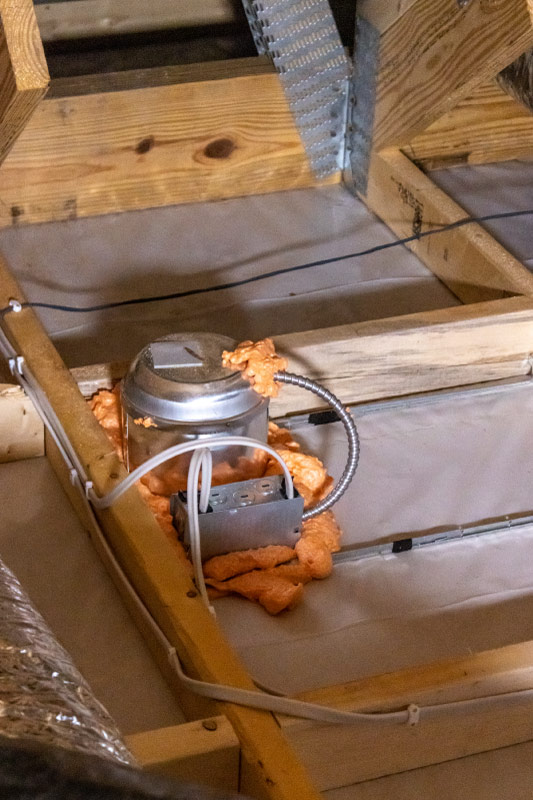
The Department of Energy treats air sealing, insulation, moisture control, and ventilation as a complete weatherization strategy because these systems work together. The combination of energy savings from air sealing and insulation can be substantial. ENERGY STAR estimates that homeowners can save approximately 15% on heating and cooling costs by air sealing and adding insulation in attics, floors over crawl spaces, and basements.
Wisconsin-Specific Considerations
Climate Zone 6A
Most of Wisconsin, including Madison and Verona, falls within IECC Climate Zone 6A insulation, while portions of northern Wisconsin fall into Zone 7. A Zone 6A home experiences both significant heating demands in winter and meaningful cooling demands during summer. This combination makes a Wisconsin-specific insulation strategy more effective than generic recommendations designed for other regions of the country.
Humidity and Mold
Summer comfort is about more than temperature alone. Wisconsin’s humidity can create moisture challenges inside the home.
Without adequate ventilation and moisture control, indoor humidity can accumulate, creating conditions favorable to mold growth. Properly installed insulation and air sealing Wisconsin homeowners rely on can help reduce unwanted moisture movement, while proper ventilation helps maintain healthy indoor air quality.
Addressing humidity and mold concerns requires looking at the home as a complete system. Insulation, air sealing, moisture control, and ventilation all play important roles.
Wisconsin Energy Code
Any insulation project should comply with Wisconsin’s residential energy code requirements. The Uniform Dwelling Code, Chapter SPS 322, establishes energy conservation standards for one- and two-family homes throughout the state.
These standards support attic insulation levels around R-49 for homes in Wisconsin’s climate zone and reinforce the importance of properly installed insulation systems.
Frequently Asked Questions
Yes. Insulation resists heat transfer in both directions. During summer, insulation slows outdoor heat from entering the home and reduces how hard the air conditioner has to work.
It depends on the attic, but blown-in fiberglass or cellulose reaches target depth cost-effectively, while spray foam insulates and air-seals in one step for tricky geometries. Air sealing the attic floor first lets whatever insulation you choose perform as rated.
ENERGY STAR estimates an average of about 15% savings on heating and cooling costs from air sealing and adding insulation in attics, floors over crawl spaces, and basements.
Insulation and air sealing, combined with proper ventilation, help control indoor moisture and limit the humid conditions mold needs; the EPA stresses that weatherization should be paired with adequate ventilation and moisture control.
For proper attic depth, dense-pack walls, and proper air sealing, professional installation is the reliable path to rated performance. See our related post on hiring a professional insulation contractor.
Stay Comfortable All Summer Long
Insulation is a year-round investment. In Wisconsin’s Climate Zone 6A, keeping summer heat out comes down to the same fundamentals that hold winter heat in: a well-insulated attic, sealed air leaks, and properly insulated walls. Together, these upgrades help improve comfort, lower cooling costs, and control indoor humidity.
The right strategy starts with understanding your climate zone, achieving the appropriate R-values, and sealing air leaks before adding insulation.
Ready to keep your home cool, comfortable, and efficient this summer? Rockweiler Insulation has served the Madison area since 1983 with attic, wall, and air-sealing solutions tailored to Wisconsin homes. Contact us today or call (608) 845-7625 to schedule your home insulation evaluation.
References
ENERGY STAR. “Methodology for Estimated Energy Savings from Sealing and Insulating.” U.S. Environmental Protection Agency, www.energystar.gov/saveathome/seal_insulate/methodology.
U.S. Department of Energy. “Building America Climate-Specific Guidance.” Office of Energy Efficiency and Renewable Energy, www.energy.gov/cmei/buildings/building-america-climate-specific-guidance.
U.S. Department of Energy. “Insulation.” Energy Saver, www.energy.gov/energysaver/insulation.
U.S. Department of Energy. “Weatherization.” Energy Saver, www.energy.gov/energysaver/weatherization.
U.S. Environmental Protection Agency. “Energy, Weatherization and Indoor Air Quality.” EPA, www.epa.gov/indoor-air-quality-iaq/energy-weatherization-and-indoor-air-quality.
University of Missouri Extension. “Insulating and Weatherizing Your Home.” University of Missouri, extension2.missouri.edu/GH4881. Cited for the universal heat-transfer principle; no Wisconsin-specific land-grant insulation guide was available.
Wisconsin Legislature. “Chapter SPS 322 — Energy Conservation.” Wisconsin Administrative Code, Department of Safety and Professional Services, docs.legis.wisconsin.gov/code/admin_code/sps/safety_and_buildings_and_environment/320_325/322.