DIY insulation in Wisconsin may seem like a simple weekend project. Many Verona and Madison area homeowners walk into a home improvement store, see insulation materials on the shelf, and think: “I can do this.” And while small upgrades like sealing an outlet or adding a thin layer of attic batts might be manageable, a complete insulation project in Wisconsin is far more complex.
Wisconsin sits in IECC Climate Zone 6, which requires R-49 in ceilings and attics, R-20 or R-13+5ci in wood-frame walls, and proper moisture management per Wisconsin insulation code SPS 322.38. Wisconsin’s extreme conditions with winter lows near -20°F and humid summers make improper installation especially risky. A poorly installed vapor retarder or compressed batt insulation can trap moisture inside your walls, reducing performance and leading to mold or structural damage. Insulation isn’t just about adding material; it’s about proper R-values, vapor retarder placement, air sealing, and moisture control. Homeowners who miss these requirements risk failed inspections, moisture damage, and a home that’s less comfortable, not more.
In Wisconsin, hiring a professional insulation contractor isn’t just about convenience; it’s about getting the job done right in a climate that demands it. Climate Zone 6 requires specific R-values per Wisconsin SPS 322, and improper installation can trap moisture, fail inspections, and reduce energy performance. Certified professionals bring the training, equipment, and code knowledge to ensure every project meets or exceeds Wisconsin’s standards, protecting your home and your investment.
Not sure if your home’s insulation is up to Wisconsin code — or performing at its best? A professional evaluation can answer that in one visit.
What Wisconsin’s Climate Actually Demands from Insulation
Wisconsin’s Climate Zone 6 Reality
Wisconsin, including Dane County and Verona, is in IECC Climate Zone 6, which requires higher insulation performance than most of the country. Under SPS 322, minimum insulation levels include:
- Ceilings/attics: R-49
- Wood-frame walls: R-20 or R-13 + 5 continuous insulation
- Basement walls: R-19 or R-15 continuous
- Box sills/rim joists: Must be insulated to the required wall R-value with air-impermeable
- insulation sealed on all sides to framing and foundation
These aren’t just suggestions; they are enforceable standards. Homes that fall short risk failing inspections and underperforming year-round.
According to the U.S. Department of Energy, heating and cooling account for the largest portion of a home’s energy use, and proper insulation is one of the most effective ways to reduce those costs.
Why Wisconsin’s Moisture Demands Makes DIY Risky
One of the most critical and commonly missed requirements in Wisconsin is vapor control.
Under SPS 322.38, vapor retarders must be installed on the warm-in-winter side of insulation. This is not intuitive for most homeowners. Installed incorrectly, insulation can actually trap moisture inside wall cavities.
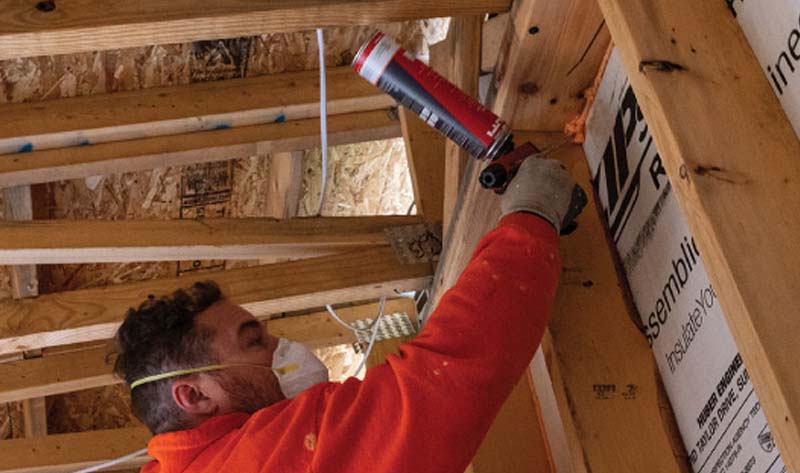
In a cold climate like Wisconsin, that moisture condenses, leading to:
- Mold growth
- Wood rot
- Long-term structural damage
This is where many DIY projects fail. The insulation may be there, but it’s working against the home instead of protecting it. Proper attic insulation and air sealing are critical here because insulation alone does not stop air movement or moisture transfer.
What a Professional Contractor Brings That DIY Can’t
Proper installation: Even minor placement errors can create air leaks, gaps in coverage, and potential safety issues. Insulation only performs as intended when it’s installed correctly; the U.S. Department of Energy emphasizes that proper technique is essential to achieving the rated R-value of any insulation material.
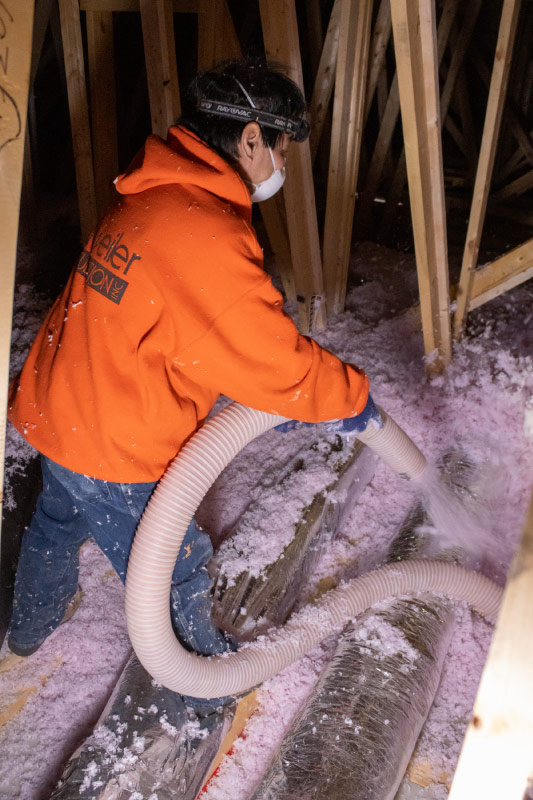
Choosing the right material: Not every insulation type works in every part of the home. Attics, walls, and rim joists all require different solutions. Blown-in insulation is typically best for attics, spray foam is ideal for sealing box sills and rim joists, and batts are commonly used in wall cavities. Matching the material to the application is a building science decision, not something you can determine from packaging alone.
Identifying hidden issues: Insulation problems rarely exist in isolation. Certified professionals are trained in the whole home insulation approach to spot moisture intrusion, ventilation issues, and early structural concerns before they turn into expensive repairs. These are the kinds of problems most homeowners don’t see until damage has already been done.
Code compliance and inspection: In Wisconsin, insulation work must comply with SPS 322. A professional contractor ensures compliance and provides a certificate of compliance (SPS 322.20), typically posted near the electrical panel. This document outlines installed R-values across the home and protects the homeowner during inspections and at resale.
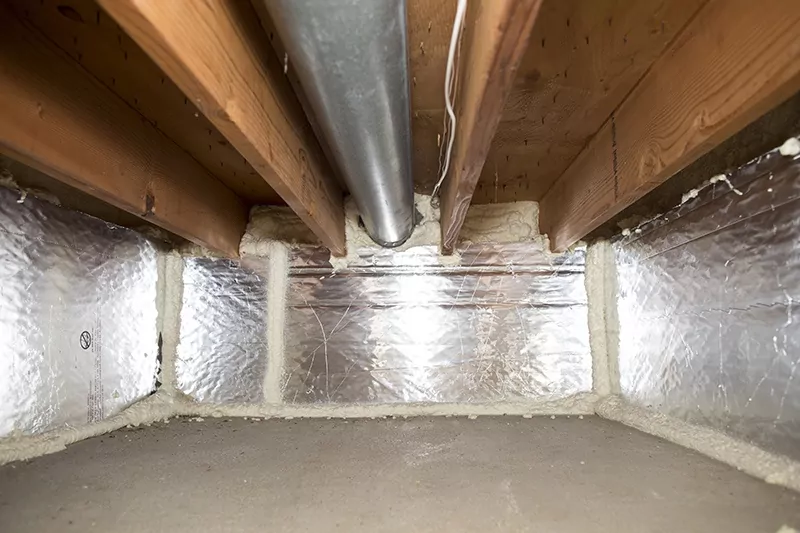
Box sills: One of the most commonly missed areas in DIY projects is the box sill, which is one of the thinnest and leakiest parts of the home. Code requires this area to be insulated with air-impermeable material and sealed on all sides, with spray foam considered the most effective solution. Home DIYers will often overlook or underperform this step.
Certifications: Not all contractors have the same qualifications. Designations like Owens Corning Certified Energy Expert (CEE) demonstrate advanced training and enable contractors to offer manufacturer-backed warranties for new-construction insulation. Similarly, Focus on Energy Trade Ally status means the contractor is vetted to complete work that qualifies for Wisconsin’s insulation rebate programs, giving homeowners access to greater financial incentives while ensuring the work meets program standards.
The Real Cost of Getting It Wrong
DIY Savings That Aren’t Actually Savings
DIY insulation is often driven by cost. But the savings are frequently short-term. The DOE notes that improperly installed insulation, even if the correct R-value product is purchased, can dramatically underperform its rating. Compressed batts, gaps around framing, and poor air sealing all reduce effective thermal resistance.
According to ENERGY STAR, homeowners can save about 15% on heating and cooling costs with proper insulation and air sealing. But that assumes correct installation.
In Wisconsin’s extreme climate, that 15% savings gap compounds over a heating season that runs from October through April, months with higher-than-necessary energy bills for a home that is insulated but not properly insulated.
Rebates Favor Professional Installation
Local homeowners also need to consider insulation rebates in Wisconsin.
Focus on Energy, Wisconsin’s statewide energy efficiency program, requires that professional insulation and air sealing rebate applications be submitted by a Focus on Energy Trade Ally contractor for the contractor-installed rebate tier; the 2026 rebate program applications must be submitted within 60 days of project completion and no later than August 31, 2026.
DIY attic insulation can qualify for a separate $200 DIY rebate, but only for projects that include both insulation AND air sealing completed simultaneously, which is a technical requirement that often surprises homeowners. The contractor-installed path typically yields higher rebate values
Wisconsin homeowners may also qualify for IRA Home Energy Rebates (HOMES and HEAR programs), delivered through Focus on Energy by the Public Service Commission of Wisconsin, both of which remain available in 2026.
Professional residential insulation services not only ensure proper installation but also help maximize available incentives.
Frequently Asked Questions
Is DIY insulation legal in Wisconsin?
Wisconsin’s Uniform Dwelling Code (SPS 322) sets insulation standards for all residential construction, including owner-built homes. Homeowners may install their own insulation in most cases, but the work must still meet code — including R-value, vapor retarder placement, and air sealing requirements. Failing to meet SPS 322 requirements can result in failed inspections and liability issues at resale.
What R-value does Wisconsin require for attic insulation?
Wisconsin’s SPS 322 (Climate Zone 6) requires R-49 for ceilings and attics under the prescriptive compliance path. R-38 is acceptable only where the full height of uncompressed insulation extends over the wall top plate at the eaves.
What are the risks of improperly installed insulation in Wisconsin?
In Wisconsin’s cold, humid winters, improperly installed insulation can trap moisture inside wall cavities, leading to mold growth, wood rot, and structural damage. It can also fail building inspections and reduce your home’s energy performance despite the cost of materials.
How do I know if my insulation is up to Wisconsin code?
A professional evaluation or insulation inspection is the most reliable way to evaluate your home’s current insulation levels against SPS 322 requirements. Certified contractors can also identify air sealing deficiencies that affect overall performance.
Are there rebates for professional insulation installation in Wisconsin?
Yes. Wisconsin’s Focus on Energy program offers rebates for professionally installed insulation and air sealing through Trade Ally contractors. The 2026 program accepts applications through August 31, 2026. Wisconsin homeowners may also qualify for IRA Home Energy Rebates (HOMES and HEAR) through Focus on Energy and the Public Service Commission of Wisconsin. Contact your utility or a Trade Ally contractor to confirm eligibility.
Why Professional Installation Wins in Wisconsin
Wisconsin’s Climate Zone 6 doesn’t forgive shortcuts. The most common DIY mistakes, such as compressed insulation, missing air sealing, incorrect vapor retarder placement, and under-insulated rim joists, are exactly the issues that lead to higher energy bills and long-term damage.
Professional insulation contractors bring:
- Code compliance under SPS 322
- Proper material selection and installation
- Moisture management expertise
- Access to rebates and warranties
- Documentation that protects your home’s value
Get It Done Right the First Time
Contact Rockweiler Insulation today for a free insulation estimate. Our certified team has been serving Verona, Madison, and southern Wisconsin homeowners and builders since 1983 — and every project we complete meets or exceeds Wisconsin’s SPS 322 code requirements. Call 608-845-7625 to get started.
References
U.S. Department of Energy. “Insulation.” Energy Saver, Office of Energy Efficiency and Renewable Energy, www.energy.gov/energysaver/insulation. Accessed Apr. 2026.
ENERGY STAR. “Methodology for Estimated Energy Savings from Sealing and Insulating.” U.S. Environmental Protection Agency, www.energystar.gov/saveathome/seal_insulate/methodology. Accessed Apr. 2026.
Wisconsin Legislature. “Chapter SPS 322: Energy Conservation.” Wisconsin Department of Safety and Professional Services, docs.legis.wisconsin.gov/code/admin_code/sps/safety_and_buildings_and_environment/320_325/322. Accessed Apr. 2026.
Wisconsin Department of Safety and Professional Services. “SPS 322 Commentary: Uniform Dwelling Code Energy Conservation.” DSPS, dsps.wi.gov/Documents/Programs/UDC/CodeArchives/SPS322Commentary.pdf. Accessed Apr. 2026.